














Quick answer: There is no single road-use law for electric scooters across the European Union. Each member state decides which scooters may enter public traffic, where they may be ridden, and whether riders need a helmet, insurance, registration or a minimum age. A scooter that is legal in one country may therefore be restricted—or illegal on public roads—in another.
This guide compares the 27 EU member states using information available on 23 September 2026. It focuses on standing electric scooters intended for one rider. Local authorities may impose lower speed limits, parking rules or access restrictions, so use the official links in each country section before riding.
Why Electric Scooter Laws Differ Across the European Union
The EU does not set one common highway code for electric scooters. Member states retain responsibility for many traffic, road-safety and urban-mobility rules. The European Commission's European Road Safety Charter notes that EU rules cover only parts of the picture, while national authorities decide matters such as permitted speed, riding areas and safety duties.
This creates three layers that buyers and riders must separate:
- Product rules: requirements that apply when a product is placed on the EU market, including applicable conformity documentation and safety standards.
- National road rules: the vehicle definition, maximum design speed, power, minimum age, helmet, insurance, registration and equipment requirements.
- Local rules: city speed zones, parking areas, pedestrian-zone restrictions and rules for shared rental fleets.
CE marking is not a road permit. It may be relevant to product conformity, but it does not prove that a specific scooter is approved for public-road use in Germany, the Netherlands, Spain or any other member state.
What Makes an Electric Scooter Road Legal?
Maximum design speed
Most EU countries place ordinary standing scooters in a 20 km/h or 25 km/h category. The important figure is usually the vehicle's maximum design or construction speed, not merely the speed selected in an app. A temporary software mode may not turn a faster model into a compliant vehicle.
Rated motor power
Some countries define a continuous or rated-power ceiling, while others focus on speed and vehicle category. Rated power and peak power are not interchangeable. Use the value and definition required by the country, not the highest marketing figure on a product page.
Brakes, lights, reflectors, bell and indicators
Functional brakes and visibility equipment are common requirements, but the details vary. Austria introduced handlebar-end indicators for e-scooters in 2026, Ireland specifies lights, reflectors, brakes and a bell, while other countries apply bicycle-equipment rules.
Insurance, registration and identification
Germany, France, Italy, Latvia, Malta and Spain illustrate how different the administrative systems can be. Requirements range from liability insurance or an insurance sticker to a national register, identification label, plate or vehicle-specific approval. In other countries, an ordinary compliant scooter generally needs none of these.
EU Electric Scooter Laws at a Glance
The table is a practical screening tool rather than a substitute for legislation. “Conditional” means that the answer depends on weight, design speed, vehicle approval or another classification threshold.
| Country | Typical public-road category | Speed / key technical limit | Minimum age | Helmet | Insurance | Registration / approval | Main riding area |
|---|---|---|---|---|---|---|---|
| Austria | Legal within e-scooter limits | Up to 25 km/h; up to 600 W maximum output under the national definition | 12 alone in traffic; younger riders need supervision or a cycling permit | Mandatory under 16 | Generally no for compliant e-scooters | No general plate; technical equipment rules apply | Cycle infrastructure; bicycle rules |
| Belgium | Motorised personal transporter | Up to 25 km/h | 16, with limited exceptions | Recommended | Generally no for the ordinary category | No general registration for seatless devices | Cycle paths or carriageway; no pavement riding at normal speed |
| Bulgaria | Individual electric vehicle | Up to 25 km/h; vehicle mass up to 50 kg in the definition | 16 on cycle infrastructure and eligible roads | Mandatory | Check current implementation and local requirements | Check national and municipal requirements | Cycle infrastructure; otherwise eligible roads up to 50 km/h |
| Croatia | Personal transport device | Up to 25 km/h and 0.6 kW continuous power | 14 | Mandatory | Generally no for the defined category | No general plate | Cycle paths; pedestrian surfaces only where necessary and with care |
| Cyprus | Personal mobility device | Local speed limits and permitted zones apply | 17 under the 2026 reform | Mandatory under the national framework | Check the final 2026 implementation | Check current national framework | Designated cycle or permitted low-speed areas |
| Czechia | Usually treated as a bicycle if technical conditions are met | Up to 25 km/h; the Ministry describes conditions up to 1 kW | No general minimum for bicycle-category use | Mandatory under 18 | Depends on classification | Faster or non-compliant vehicles may require approval, licence and insurance | Bicycle rules |
| Denmark | Small motorised vehicle under bicycle rules | Maximum 20 km/h, including the vehicle's capability | 15 alone; younger riders need an adult in public traffic | Mandatory for all riders | Private cover depends on the policy | No general plate | Cycle lanes and bicycle routes; not pavements |
| Estonia | Personal light electric vehicle | Up to 25 km/h and 1 kW | Road access rules vary for children; adult supervision or cycling licence may apply | Mandatory under 16 | Generally no for the ordinary category | No general plate | Cycle/pedestrian tracks; carriageway only where permitted |
| Finland | Light electric vehicle | Up to 25 km/h and 1 kW | 15 | Recommended | Mandatory when vehicle weight exceeds 25 kg | No general registration for the ordinary category | Bicycle paths; otherwise carriageway |
| France | Motorised personal mobility device (EDPM) | Factory-limited to 25 km/h | 14 | Recommended; mandatory in specified exceptional road situations | Third-party liability insurance mandatory | No normal plate for a compliant EDPM | Cycle paths or permitted carriageway; pavements normally prohibited |
| Germany | Elektrokleinstfahrzeug under eKFV | 6–20 km/h; up to 500 W rated continuous power | 14 | Recommended | Mandatory | Operating permit/ABE and insurance sticker required | Cycle infrastructure; carriageway if none |
| Greece | Light personal electric vehicle | Speed and road access depend on the national category and road | 17 under the 2026 reform | Strengthened helmet duty | Mandatory under the 2026 reform | Electronic vehicle/owner register introduced by the reform | Suitable low-speed road network; not pavements |
| Hungary | Classification remains category-dependent while a new KRESZ is being developed | No simple nationwide consumer threshold should be assumed | Depends on legal classification | Strongly recommended; moped rules may apply to some vehicles | Conditional under motor-insurance thresholds | Conditional | Confirm with police and insurer for the exact vehicle |
| Ireland | Personal powered transporter | 20 km/h, 400 W continuous rated power, 25 kg maximum net weight | 16 | Mandatory from 4 September 2026; high-visibility clothing also mandatory | No for a compliant low-power e-scooter | No registration | Cycle/bus lanes and eligible roads; no footpaths |
| Italy | Electric scooter under the Highway Code | 20 km/h; 6 km/h in pedestrian areas; 0.50 kW nominal continuous power | 14 | Mandatory for all riders | Mandatory from 16 July 2026 | Personal identification label required | Urban roads and permitted cycle infrastructure; local restrictions apply |
| Latvia | Registered electric scooter | Maximum design speed 25 km/h | 14 with cycling or other driving entitlement | Mandatory | Check classification-specific rules | Registration sticker mandatory | Cycle infrastructure and permitted carriageway |
| Lithuania | Micromobility vehicle | Up to 25 km/h and 1 kW | 16; 14 after an approved course | Mandatory for all riders from 1 January 2026 | Generally no for the ordinary category | No general plate | Cycle paths/lanes, then suitable shoulder or road |
| Luxembourg | Electric micro-vehicle, generally treated as a cycle | 6–25 km/h, up to 1 kW, maximum length 1.5 m | 10 for cycle areas/road rules; younger children use pedestrian areas | Recommended | Generally no for the ordinary category | No general plate | Cycle infrastructure and carriageway under bicycle rules |
| Malta | Registered e-kickscooter | Maximum 20 km/h | 16 | Check licence and operating conditions | Third-party insurance required | Inspection, registration, plate, licence disc and AM entitlement | Only permitted routes; rental fleets are prohibited |
| Netherlands | Only nationally approved vehicle types may use public roads | Approval-specific; an ordinary unapproved e-scooter is not road legal | Approval-specific | Approval-specific | Required for approved special motor vehicles | RDW/national approval and other conditions apply | Only as specified for the approved vehicle |
| Poland | Electric scooter | 20 km/h construction/riding limit | 10; riders aged 10–18 need a cycling card or eligible licence | Mandatory under 16 from 3 June 2026 | Generally no for the ordinary category | No general plate | Cycle paths; limited pavement use at pedestrian speed |
| Portugal | Treated similarly to a bicycle within limits | Up to 25 km/h or up to 0.25 kW continuous maximum power under the cited rule | No specific national minimum identified in the cited government summary | Recommended, not generally mandatory | Generally no for the ordinary bicycle-equivalent category | No general plate | Bicycle infrastructure and roads under cycling rules; local rules apply |
| Romania | Electric scooter | 6–25 km/h | 14 | Mandatory under 16 | Check current motor-insurance thresholds for the exact vehicle | No general plate for the ordinary category | Cycle paths; roads limited to 50 km/h where no path exists |
| Slovakia | Scooter with auxiliary motor under specific traffic rules | Generally up to 25 km/h category | 15 on ordinary roads; younger riders restricted to cycle paths, residential areas or forest roads | Age/location-dependent cycling rules | Check classification | No general plate for the ordinary category | Cycle paths and permitted roads |
| Slovenia | Light motor vehicle | Up to 25 km/h and no wider than 80 cm | 14, or 12 with a cycling card | Mandatory under 18 | Conditional for vehicles over EU motor-insurance thresholds | No general plate for the ordinary light category | Cycle infrastructure; limited road use if none |
| Spain | Personal mobility vehicle (VMP) | 6–25 km/h; certified technical category | 15 from 1 October 2026 | Mandatory from 1 October 2026 | Mandatory in 2026 | National registration, certificate and identification label required | Urban routes permitted by national and municipal rules |
| Sweden | Bicycle only when both technical limits are met | Maximum 20 km/h and 250 W continuous rated power | No general minimum | Mandatory under 15 | Conditional: required above specified speed/weight thresholds | No general plate for bicycle-category scooters | Cycle infrastructure; not pavements |
Country-by-Country Rules and Official Sources
Austria
Austria applies bicycle-style traffic rules to qualifying e-scooters. From 1 May 2026, riders under 16 must wear a helmet, the alcohol limit is 0.5‰, and e-scooters must have a bell and handlebar-end indicators. The national definition refers to a maximum output of 600 W; buyers should compare the manufacturer's declared value with the exact statutory definition. See the Austrian ministry's 2026 e-mobility rules.
Belgium
Belgium permits motorised personal transporters within the relevant speed category, but riders must be at least 16 except in limited areas such as residential or play streets. Pavement use is not the normal riding option, carrying passengers is prohibited, and cities may impose additional shared-scooter restrictions. Review the federal overview of personal transport devices and current regional rules.
Bulgaria
Bulgaria limits individual electric vehicles to 25 km/h. Riders use cycle infrastructure where available and otherwise keep to the right on roads whose limit does not exceed 50 km/h. Current rules include a minimum age and helmet duties; implementation details have changed since the first framework, so municipal registration and local restrictions should also be checked. The State Agency for Road Safety publishes an official rules and safety summary.
Croatia
A Croatian personal transport device may have no seat, a continuous electric-motor output no higher than 0.6 kW and a maximum design speed no higher than 25 km/h. The minimum age is 14 and a helmet is mandatory. Cycle infrastructure is preferred; where it is unavailable, limited use of pedestrian surfaces is possible with care. See the Croatian Ministry of the Interior's current safety and legal summary.
Cyprus
Cyprus regulates e-scooters as personal mobility devices and restricts them to permitted infrastructure and areas. Amendments adopted in 2026 raised the minimum rider age to 17 and strengthened the enforcement framework. Because the reform is recent, riders should consult the consolidated provisions and any ministerial orders rather than relying on older rental guidance. The Department of Public Works hosts the laws, amendments and official e-scooter material.
Czechia
Czech treatment depends strongly on the scooter's construction. A device that preserves the character of a kick scooter and satisfies the Ministry's technical conditions can be treated as a bicycle. Vehicles outside those conditions can fall into a motorcycle or other approval category, bringing registration, driving-licence and insurance consequences. Read the Ministry of Transport's classification guidance.
Denmark
A road-legal Danish e-scooter must not be capable of exceeding 20 km/h under motor power. Riders must be 15 to ride alone in public traffic, every rider must wear a bicycle helmet, lights are required throughout the day, and bicycle traffic rules apply. The Danish Road Safety Council lists the e-scooter rules and penalties.
Estonia
Estonia defines a personal light electric vehicle with a maximum speed of 25 km/h and motor power up to 1 kW. Riders normally use cycle and pedestrian tracks; carriageway use is secondary and children's access depends on age, supervision and cycling qualifications. Helmets are compulsory under 16. See the Transport Administration's English guide to operating an electric scooter.
Finland
Finnish light electric vehicles may have up to 1 kW and 25 km/h maximum speed and follow bicycle traffic rules. Since 2025, riders must be at least 15. Liability insurance is required when the device weighs more than 25 kg, while lighter compliant devices normally remain outside that requirement. See Traficom's electric personal transportation guidance and its later micromobility updates.
France
France classifies a standing e-scooter as an EDPM. It must be limited by design to 25 km/h, the rider must be at least 14 and third-party liability insurance is compulsory. Pavement riding is normally prohibited, passengers and headphones are forbidden, and reflective equipment is required at night or in poor visibility. Use the government's road-code summary and insurance guidance.
Germany
Germany requires a road-legal e-scooter to fall under the Elektrokleinstfahrzeuge-Verordnung. The vehicle must have national approval or an ABE, a 6–20 km/h design-speed range, the required technical equipment and a current insurance sticker. Riders must be at least 14. A helmet is recommended but not generally mandatory. The federal transport ministry provides an official e-scooter questions-and-answers guide.
Greece
Greece adopted a stricter framework in 2026, including a minimum age of 17, mandatory insurance, an electronic vehicle/owner register and stronger helmet and road-use controls. As implementing details may continue to be published, riders should verify the final operational requirements before using a private or rental scooter. The Greek government summarised the 2026 framework.
Hungary
Hungary remains a market where riders should not rely on a simple “25 km/h means legal” claim. Classification and insurance can depend on the vehicle's technical characteristics, while a new KRESZ framework was still being developed in 2026. Confirm the exact model with the police and an insurer before public-road use. The Hungarian Police continues to publish current e-scooter safety guidance.
Ireland
Ireland's low-power category is tightly defined: no more than 20 km/h, 400 W continuous rated output and 25 kg net weight. Riders must be at least 16. From 4 September 2026, a fastened helmet and high-visibility clothing are mandatory. Compliant scooters need neither registration nor insurance, but non-compliant devices remain illegal in public areas. Check the Road Safety Authority's current e-scooter page.
Italy
Italy limits ordinary e-scooters to 20 km/h and 6 km/h in pedestrian areas. The continuous nominal power ceiling is 0.50 kW. Helmets are mandatory for all riders, an official identification label is required, and third-party liability insurance became mandatory on 16 July 2026. Cities may further restrict routes and parking. See the Ministry of Infrastructure and Transport on the identification system and the insurance start date.
Latvia
Electric scooters used in Latvian traffic must be registered and carry the relevant sticker. The maximum design speed is 25 km/h. A rider must be at least 14 and hold a bicycle or other driving entitlement; current safety information also requires a fastened helmet. CSDD provides the registration conditions and rider-entitlement information.
Lithuania
Lithuania limits the ordinary micromobility category to 25 km/h and 1 kW. Riders must normally be 16, or 14 after completing the prescribed course. From 1 January 2026, helmets are mandatory for every rider. Cycle infrastructure comes first, followed by a suitable shoulder or carriageway where the rules allow it. Lithuanian Police explains the 2026 requirements.
Luxembourg
Luxembourg's electric micro-vehicle category covers devices with a design speed above 6 and no more than 25 km/h, continuous rated power up to 1 kW and maximum length of 1.5 m. They generally follow cycle rules. Riders aged ten and over use cycling infrastructure or the carriageway as required; younger children remain in pedestrian areas at an appropriate speed. See the national road-safety portal's soft-mobility guide.
Malta
Malta requires a private e-kickscooter to be inspected, registered, insured and fitted with a plate and licence disc. The vehicle is limited to 20 km/h and may use only permitted routes. Riders must be at least 16 and obtain the applicable AM entitlement. Shared rental e-kickscooters are prohibited, although private registered use continues. Transport Malta lists the registration and licensing process.
Netherlands
Most ordinary stand-up e-scooters sold online are not automatically legal on Dutch public roads. A vehicle type must be admitted under the applicable national framework; approved vehicles can then face registration, number-plate and insurance conditions. Never assume that CE marking or a 25 km/h limit is sufficient. The Dutch government explains the light electric vehicle approval framework.
Poland
Poland limits e-scooters to 20 km/h. Cycle infrastructure is the normal route; limited pavement use is allowed only under specified conditions and at approximately pedestrian speed. Children under ten cannot ride in ordinary public traffic, and riders aged 10–18 need a cycling card or eligible licence. Helmets became mandatory for riders under 16 on 3 June 2026. See the Infrastructure Ministry's traffic rules and 2026 helmet update.
Portugal
Portugal treats qualifying motorised scooters similarly to bicycles when they remain within the stated technical thresholds. The government summary refers to scooters up to 25 km/h or 0.25 kW continuous maximum power. Helmets are recommended rather than generally mandatory for this category. Local authorities may regulate circulation and parking, so confirm the city rules. See the government's Highway Code amendment summary.
Romania
Romania defines an electric scooter within a 6–25 km/h range. Riders must be at least 14, and those under 16 must wear a helmet. Cycle paths should be used where available; without one, scooters may use roads whose maximum permitted speed is 50 km/h. The Romanian Police reiterates these rules in its road-safety guidance.
Slovakia
In Slovakia, a rider must be at least 15 to use an electric scooter on an ordinary road. Younger riders are restricted to places such as cycle paths, residential zones or forest roads. The vehicle and riding location determine the detailed duties, so confirm helmet and insurance treatment for the exact category. The Ministry of the Interior includes the rules in its official road-safety guide.
Slovenia
Slovenia treats e-scooters as light motor vehicles when their design speed does not exceed 25 km/h and width does not exceed 80 cm. Riders must be 14, or 12 with a cycling card, and helmets are mandatory until age 18. Cycle infrastructure is preferred. Slovenian Police provides a detailed guide to safe and lawful e-scooter use.
Spain
Spain's VMP category covers one-person electric vehicles with a design speed from 6 to 25 km/h. In 2026, Spain introduced national registration as a prerequisite to mandatory insurance, together with a certificate and identification label. From 1 October 2026, the national minimum age is 15 and helmet use becomes mandatory. Municipal route and parking rules still matter. Use the DGT's VMP register and technical portal and its October 2026 road-rule update.
Sweden
A Swedish e-scooter is treated as a bicycle only if its maximum speed is no more than 20 km/h and its continuous rated motor power is no more than 250 W. Both limits matter. A faster or more powerful ordinary scooter cannot simply be used in public traffic, and converting it to a moped is generally difficult without original conformity documentation. Helmets are mandatory under 15. See the Swedish Transport Agency's current e-scooter guidance.
Seven Rules to Check Before Crossing an EU Border
- Check the factory design speed. Do not rely only on an app setting or riding mode.
- Check rated or continuous power. Keep it separate from peak-power marketing claims.
- Confirm the national vehicle category. Bicycle, personal mobility device, eKFV vehicle and approved special motor vehicle are not interchangeable labels.
- Verify insurance. A home policy may not meet a destination country's compulsory motor-liability requirement.
- Verify registration or approval. Germany, Malta, Latvia, Spain, Italy and the Netherlands require special attention.
- Check age and helmet rules. They can change at the border even when the scooter itself is permitted.
- Check the city. Municipalities can regulate shared fleets, parking, pedestrian areas and lower-speed zones.
Buyer Checklist for an EU-Market Electric Scooter
- Choose the country and city of use before comparing models.
- Record the maximum design speed, continuous/rated power, net weight and seat configuration.
- Check whether the country requires national approval, an ABE, certificate, registration, label or plate.
- Confirm whether liability insurance can be issued for that exact model.
- Check brakes, lights, reflectors, bell and indicators against local equipment rules.
- Keep the invoice, conformity documents, serial or frame number and user manual.
- Use the correct market version. Identically named products can have different speed configurations.
- Recheck the authority page before travel because 2026 brought several material reforms.
Common Mistakes About EU Electric Scooter Laws
- “CE marked” means road legal. It does not.
- Every EU country accepts 25 km/h. Germany, Denmark, Ireland, Italy, Poland and Sweden use lower ordinary-category limits.
- A 20 km/h riding mode solves the problem. The design speed, power and approval category may still fail.
- Rental rules and private ownership rules are identical. Malta and several cities show why that assumption fails.
- One insurance policy works everywhere. National compulsory-cover rules and policy territory must be checked.
- Peak power and rated power are the same. Legal definitions normally specify which measurement controls.
Frequently Asked Questions About Electric Scooter Laws in Europe
Is there one electric scooter law for the entire EU?
No. EU rules influence product safety and parts of the insurance framework, but member states set most road-use rules. The legal category, maximum speed, riding area, minimum age and administrative requirements can therefore differ substantially.
Is a 25 km/h electric scooter legal in every EU country?
No. A 25 km/h model exceeds the ordinary e-scooter limit in countries such as Germany, Denmark, Ireland, Italy, Poland and Sweden. In the Netherlands, the more basic question is whether the vehicle type has been nationally approved for road use.
Does CE marking make an electric scooter road legal?
No. CE marking concerns applicable product conformity obligations. Public-road access depends on national vehicle and traffic law, and may require additional approval, insurance, registration or identification.
Do electric scooters need insurance in Europe?
It depends on the country and vehicle. Insurance is central to the ordinary road-legal framework in Germany, France, Italy, Malta and Spain. Finland and Sweden use weight and speed thresholds, while Ireland does not require insurance for a compliant low-power scooter.
Is a helmet mandatory across the EU?
No. Some countries require helmets for all riders, some only for younger riders, and others recommend them. In 2026, Austria, Ireland, Lithuania, Poland and Spain introduced or activated important helmet changes.
Can children ride electric scooters on public roads?
Only where national age and supervision rules allow it. Minimum ages range widely, and some countries add cycling-card, training or adult-supervision requirements. A child's ability to operate the scooter does not override the legal minimum.
Can I take my scooter to another EU country?
You can transport it if the carrier and battery rules allow, but that does not guarantee public-road use at the destination. Check design speed, power, approval, insurance and local traffic rules before riding.
Where should I check the latest rule?
Start with the national transport ministry, road authority, police or road-safety agency linked in this guide. Then check the municipality where you will ride. Product pages and retailer descriptions should not replace official legal information.
Choosing an Electric Scooter for More Than One EU Market
If you need one scooter for several countries, start with the strictest destination rather than the most permissive one. Confirm that the same physical unit—not merely the same model name—matches every country's design-speed, rated-power, documentation and insurance requirements.
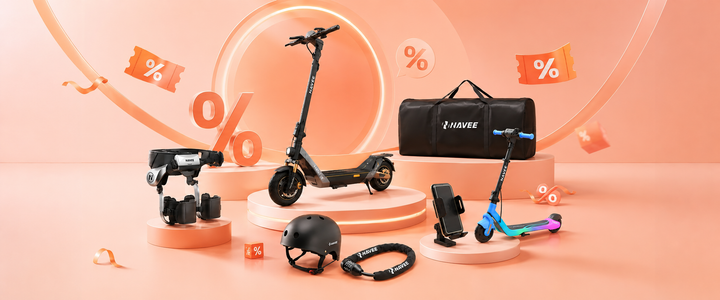
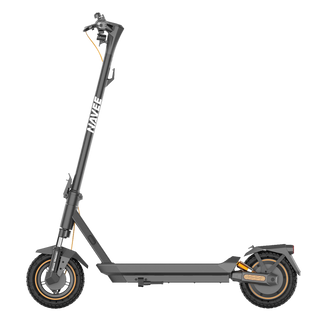
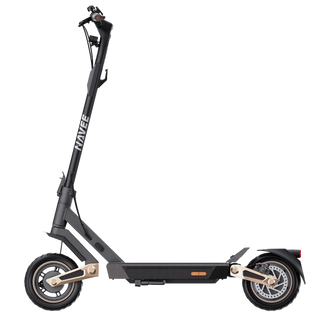
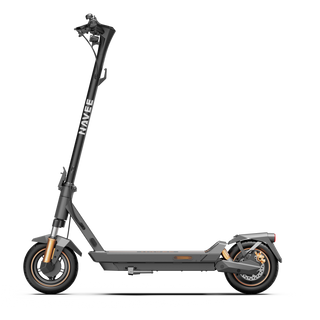
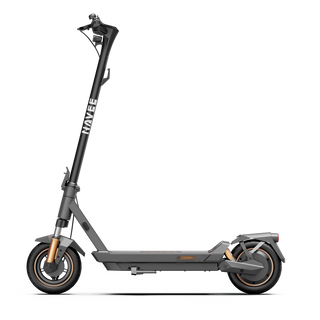
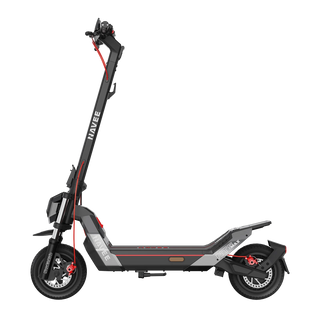
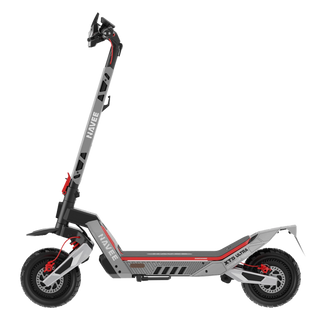
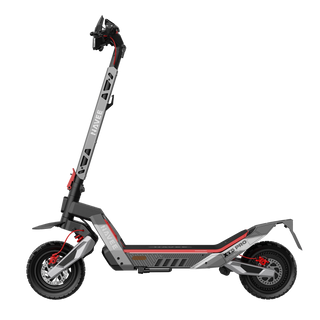
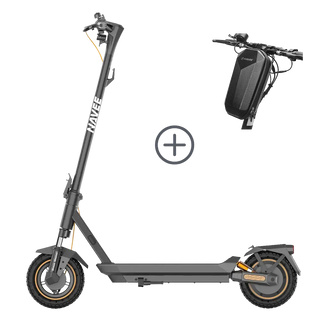
NAVEE offers different products and market versions through its EU electric scooter collection. Treat the collection as a place to compare products, not as proof of road legality in all 27 countries. Before ordering, match the exact model specification to the authority guidance above.
Conclusion: Check the Country, City and Exact Scooter Version
The safest decision sequence is country → city → vehicle category → design speed and rated power → approval → insurance → equipment. Skipping any step can leave a scooter legal to buy but illegal to ride.
Because several EU countries changed their rules in 2026, save the relevant authority page and check it again shortly before purchase or travel. The official national and local rules—not a generic “EU legal” label—determine whether your scooter may enter public traffic.
- 1 Användning
- 2 Budget
- 3 Rekommendation
Kontrollera variant, aktuella specifikationer och tillgänglighet på produktsidan.
Välj ditt prisintervall. Modeller inom din budget prioriteras.


